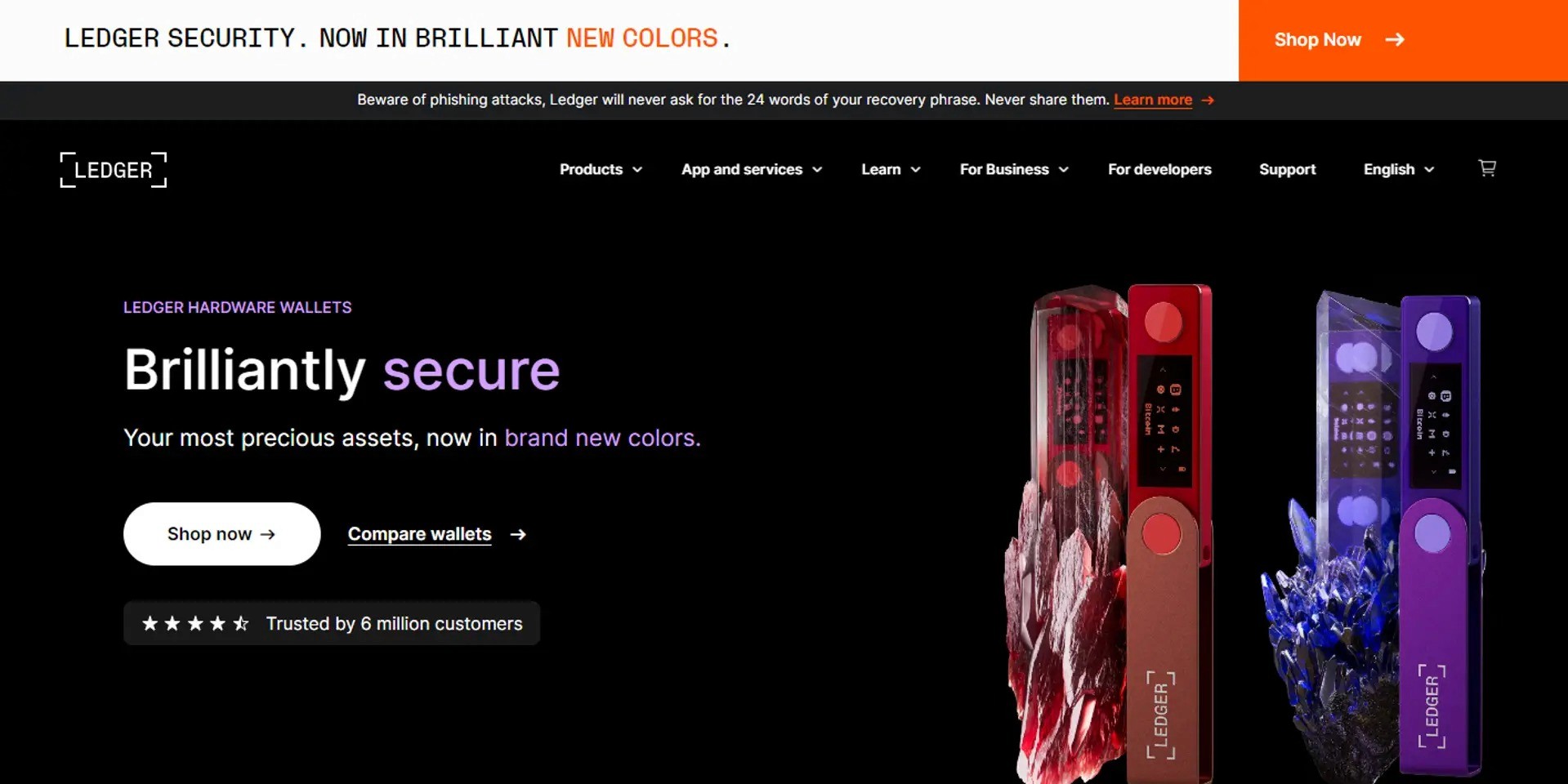
Ledger Login: Complete Guide to Securely Accessing Your Cryptocurrency
Cryptocurrency has opened up new ways to store and transfer value. Unlike traditional banks, you are fully responsible for your crypto assets. Ledger, a leading hardware wallet provider, allows you to safely manage your funds. But before you can send, receive, or track your crypto, you need to understand Ledger login—how to access your Ledger accounts securely using Ledger Live.
This guide covers everything from setup and login to troubleshooting, security best practices, and advanced Ledger Live features.
What is a Ledger Hardware Wallet?
A Ledger hardware wallet is a small physical device that stores your cryptocurrency private keys offline. By keeping keys offline, hardware wallets protect your funds from online threats such as hacks, malware, or phishing scams.
Popular Ledger models include:
Ledger Nano S – Compact, entry-level model for storing multiple cryptocurrencies.
Ledger Nano S Plus – Upgraded version with larger storage and more features.
Ledger Nano X – Bluetooth-enabled device for mobile use and multi-crypto management.
While the hardware wallet secures your keys, Ledger Live is the companion software that lets you view balances, send and receive crypto, manage accounts, and monitor transactions safely.
What is Ledger Login?
Ledger login is not like logging into a typical online account. It doesn’t require a username or password. Instead, it relies on hardware authentication:
Connect your Ledger device to your computer or mobile device.
Enter your PIN code on the device.
This process ensures that only someone with the physical device and PIN can access your crypto accounts.
Why Ledger Login is Secure
Private keys remain offline – They are never exposed to the internet.
No centralized storage – Reduces risk of hacking.
Full ownership – Only the device owner controls crypto.
Ledger login combines convenience with the highest level of security. Even if your computer or phone is compromised, your crypto remains safe.
Preparing for Ledger Login
Before attempting to log in, make sure you have:
Ledger Device – Nano S, Nano S Plus, or Nano X.
Updated Firmware – Firmware should always be up-to-date for security.
Ledger Live App – Download only from Ledger’s official website.
PIN Code – Set on your hardware wallet.
Recovery Phrase – A 24-word phrase that serves as your backup. Keep it offline.
Being prepared ensures a smooth and secure login experience.
Step-by-Step Ledger Login
Desktop Login
Install Ledger Live
Download the application from the official Ledger website and install it on your computer.
Open Ledger Live
Launch the application.
Connect Ledger Device
Use the USB cable provided with your device.
Enter PIN on Device
Unlock your Ledger wallet by typing in your PIN.
Access Your Accounts
Ledger Live will detect your device and show all your cryptocurrency accounts.
Mobile Login
Install Ledger Live Mobile
Available on iOS and Android.
Pair Your Device
Use Bluetooth for Nano X or USB OTG for Nano S devices.
Enter PIN
Unlock your hardware wallet to authorize the connection.
Manage Accounts
You can now check balances, send and receive crypto, and manage multiple accounts.
Common Ledger Login Problems
Even experienced users can face issues during login. Here’s how to troubleshoot:
Device Not Detected
Check USB or Bluetooth connection.
Ensure Ledger Live is up-to-date.
Restart both Ledger Live and your device.
PIN Not Accepted
Enter carefully. Too many failed attempts may temporarily lock the device.
Ledger Live Freezes or Crashes
Close and reopen the app.
Reinstall if necessary.
Bluetooth Connection Fails (Mobile)
Ensure Bluetooth is enabled on both devices.
Restart Ledger device and mobile app.
Ledger Live Won’t Sync
Check your internet connection.
Verify firmware is up-to-date.
Security Best Practices for Ledger Login
Never Share Recovery Phrase – Ledger will never ask for it. Keep it offline.
Use Official Ledger Software Only – Avoid third-party apps claiming to work with Ledger.
Enable Strong PIN – Protects your device from unauthorized access.
Keep Firmware and App Updated – Regular updates improve security.
Verify Transactions on Device – Always confirm addresses and amounts on the Ledger screen.
Use a Dedicated Device – Avoid public or shared computers.
Ledger Login Without Hardware Wallet
Ledger Live allows you to:
View portfolio performance.
Track crypto prices.
However, sending or receiving crypto requires the hardware wallet, because transactions must be signed securely.
Recovery Options
If you lose access to Ledger Live or your device:
Restore Using Recovery Phrase
Buy a new Ledger device and restore accounts using your 24-word phrase.
Reinstall Ledger Live
Download the app on a new computer or phone and reconnect your device.
Features Available After Ledger Login
Once logged in, Ledger Live provides:
Portfolio Overview – Monitor all your crypto assets.
Account Management – Add, remove, or rename accounts.
Send and Receive Crypto – Authorize transactions securely through the device.
Swap and Buy Crypto – Trade coins through Ledger-approved partners.
Staking – Stake supported cryptocurrencies to earn rewards.
Best Practices for Safe Ledger Login
Keep your recovery phrase offline and secure.
Monitor accounts regularly for unusual activity.
Only use official Ledger software to avoid phishing or malware.
Enable Ledger Live notifications for important updates.
Update firmware and the app regularly for maximum security.
Why Ledger Login is Important
Ledger login is more than just opening an app—it is your gateway to secure crypto management. By requiring both the physical device and PIN authentication, it ensures that:
Only the device owner can access funds.
Crypto remains safe from online threats.
Users maintain full control over their digital assets.
Tips for First-Time Users
Test sending small amounts before transferring large sums.
Store your recovery phrase in a safe, offline location.
Keep firmware and Ledger Live updated.
Avoid public computers or untrusted devices.
Always verify transaction details on the Ledger device.
Conclusion
Ledger login provides a secure and reliable way to access and manage your cryptocurrency. By combining hardware authentication with Ledger Live, you gain full control over your crypto while keeping your private keys safe. Following best practices, troubleshooting issues, and using Ledger responsibly ensures that you can manage, send, receive, and stake crypto safely and efficiently.
Ledger Live and Ledger hardware wallets together create one of the most trusted ecosystems for cryptocurrency management.